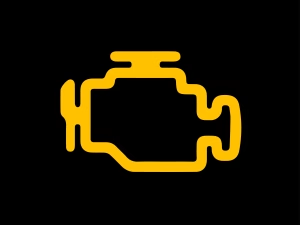
Just as the flashing beacon of a lighthouse warns ships of impending danger, so does the transmission light on your dashboard signal a potential hazard for your vehicle.
When you see it illuminate, it’s crucial you don’t ignore it. Pull over safely and check your transmission fluid levels; a low level could indicate a leak or other issues.
What you do next could make a significant difference in the health and functionality of your car.
Are you prepared to handle what comes after this warning light turns on? Let’s explore the steps you should take to guarantee your vehicle remains in peak condition.
Understanding the Transmission Light
When your vehicle’s transmission light illuminates, it’s a critical signal that your transmission requires immediate attention. Understanding this warning is key to preventing further damage and ensuring your car remains reliable.
Each vehicle has a unique symbol for the transmission light, such as a gear with an exclamation mark or a thermometer. These icons aren’t just random; they’re specifically designed to alert you about different issues.
You’ll find that some cars might flash the overdrive light or display a message in the information center. Don’t ignore these warnings. They’re part of your car’s language, telling you something isn’t right.
To decode what each symbol means, consult your owner’s manual. It provides essential insights specific to your vehicle’s year, make, and model.
Checking Fluid Levels and Leaks
Now that you understand the importance of the transmission light, let’s check the fluid levels and look for any leaks to guarantee your transmission is functioning properly. Monitoring your transmission fluid level and inspecting for visible leaks are vital steps to safeguard the health of your vehicle’s transmission system.
Here are a few practical steps to guide you:
- Check the Transmission Fluid Level: Use the dipstick to measure the fluid level. Pull it out, wipe it clean, reinsert it, and then pull it out again to check the level. It should be between the ‘Full’ and ‘Add’ marks.
- Inspect for Visible Leaks: Look under your vehicle for any signs of leaks. Pay attention to the color of the fluid; transmission fluid is typically red or green.
- Address Low Transmission Fluid: If the fluid level is low, top it up to the recommended level using the correct type of transmission fluid for your vehicle.
- Regular Monitoring: Make it a habit to check the transmission fluid level and for leaks monthly.
- Preventive Checks: Before long trips or after every oil change, double-check these levels to avoid running into issues later.
Professional Diagnostic Steps
You’ll need to use a diagnostic scan tool to access fault codes from the ECM/TCM, which will pinpoint the specific issues with your transmission system. This step is vital because it tells you exactly where the problem lies, making sure that you’re not just guessing what might be wrong.
When the transmission light illuminates, it’s a signal that you shouldn’t overlook.
Once the scan tool is connected, it’ll provide detailed information about the transmission’s health. It identifies whether there’s a circuit failure or another type of malfunction. This data is your starting point for diagnosis, guiding you and your professional mechanic to develop an effective repair strategy.
It’s important to follow up these initial tests with a full inspection by a certified mechanic. They’ll use the diagnostic tools to investigate further into the problem, often following the manufacturer’s recommendations to make certain that every component is checked properly.
Immediate Do’s and Don’ts
After understanding the diagnostic steps, it’s important to know the immediate actions to take and what to avoid when your transmission light turns on. Here’s a practical guide to help you navigate this challenging situation:
- Stop the Vehicle: As soon as the Transmission Warning Light illuminates, safely pull over. This is vital in preventing potential issues from escalating.
- Check Transmission Fluid: Before you decide to drive any further, check if the transmission fluid is at the correct level and isn’t dirty or burnt. Low or dirty fluid can lead to significant transmission damage.
- Avoid Driving Further: Continuing to drive can exacerbate the problem and lead to more extensive and expensive repairs.
- Seek Professional Help: Don’t try to fix transmission issues on your own. Tow your vehicle to a trusted mechanic for a thorough diagnosis and repair.
- Stay Informed: Understand what each warning sign might indicate and communicate effectively with your mechanic about the symptoms your vehicle is experiencing.
Long-Term Maintenance Tips
To guarantee your vehicle’s transmission operates smoothly for years, regularly check and change the transmission fluid as specified by the manufacturer. This is the cornerstone of preventative maintenance and ensures that minor issues don’t escalate into major repairs. Keeping up with this simple task can prevent the transmission light from unexpectedly ruining your day and save you a costly visit to the mechanic.
In addition to regular maintenance, keep an eye on your vehicle’s temperature gauge. The transmission needs to stay within safe operating temperatures; overheating is a common cause of transmission failures. If you notice the temperature creeping up, it’s time to take action before it leads to serious damage.
Staying proactive is key. Don’t ignore the transmission light if it comes on; this is your car’s way of telling you something’s amiss. Address it promptly by consulting a professional mechanic who can diagnose and resolve issues early on.
Following the manufacturer’s maintenance schedule for transmission components not only extends the lifespan of your vehicle but also fosters a sense of security and belonging among fellow diligent car owners who value long-term vehicle health and performance.
Conclusion
Now that you know the drill when your transmission light flashes its warning, don’t ignore it. Pull over, check the fluid, and avoid further driving; your car’s cry for help should never be silenced by procrastination.
Consult a professional to dive deep into the heart of the issue. Remember, regular check-ups can prevent these scares.
Treat your car well, and it’ll return the favor, ensuring you both enjoy a long, smooth journey together.